
Cooperative learning is not 'group work': the five pillars that make the difference
Seating students in groups doesn't create cooperative learning, usually the strongest student works while the rest watch. Real cooperative learning is deliberate engineering built on five pillars that make every student accountable and active.
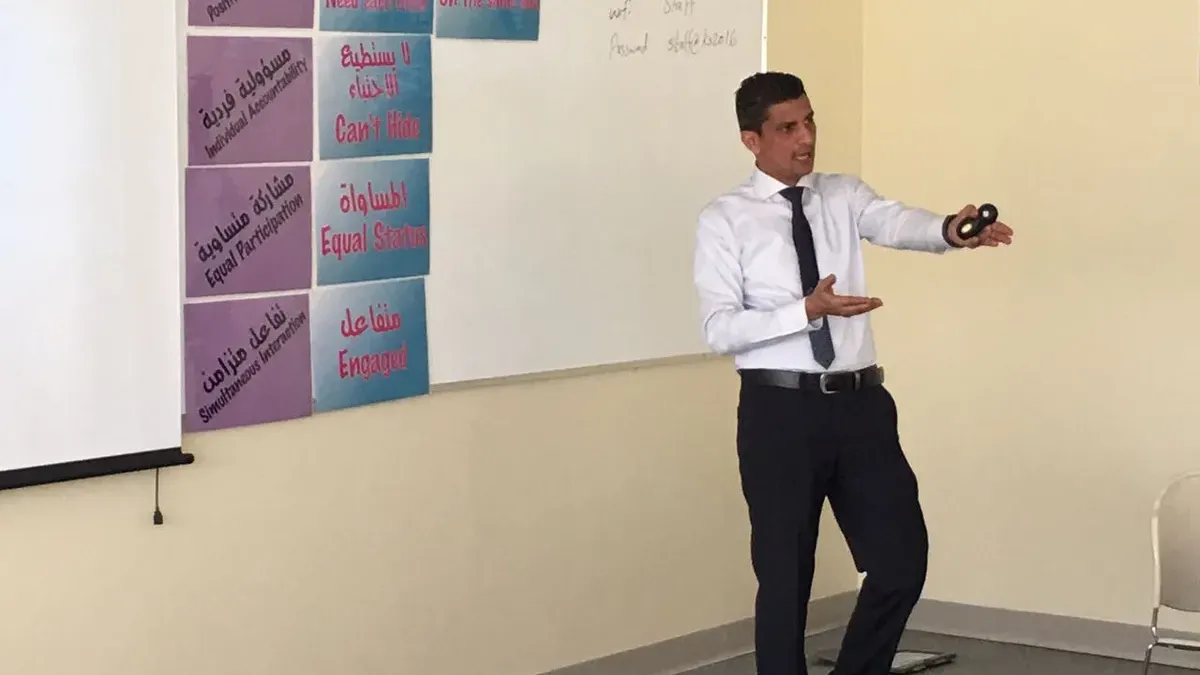
Many teachers, and even schools, confuse “group work” with “cooperative learning.” The difference is not semantic; it is fundamental: one is a seating arrangement, the other is learning engineering.
In traditional group work, students are distributed around tables and the group gets one task. What usually happens? The strongest student does the work, and the others sign their names to the result. One active group hides three students who learned nothing. The noise is there; the actual cooperation is not.
Learning improves when collaboration is intentionally structured, not left to chance.
The five pillars of real cooperative learning
The difference between the two scenes is captured by the work of Roger and David Johnson, the world’s leading researchers in this field. Real cooperative learning stands on five pillars, and it is incomplete without any of them:
- Positive interdependence: the task is designed so no one can succeed alone, my success requires yours.
- Individual accountability: every student has a defined role and personal accountability, nobody can “hide” behind the group.
- Face-to-face supportive interaction: students explain to and encourage one another, peer teaching is one of the strongest consolidation tools.
- Group processing: the group reflects on its performance: what worked? what will we improve?
- Social skills: listening, managing disagreement, rotating roles, taught deliberately, never assumed.
When these pillars are absent, you get adjacent chairs. When they are present, you get a classroom where every student participates, not just the front row.
”I’ll lose control of the class”, the fear that blocks the shift
What most prevents teachers from activating cooperative learning is the fear of losing control. It’s an understandable fear, but field experience says the opposite. A math teacher described his experience three months into applying the EDSAT methodology:
“At first I thought letting students talk would cost me control. I discovered exactly the opposite, for the first time I feel all my students are learning, not just the front row.”
An effective classroom is not the quietest one. Dialogue, movement, and interaction are not chaos, they are the natural signs of an active learning environment. The real chaos is a silent classroom where a third of the students are mentally absent.
From idea to daily practice
Knowing the five pillars is one thing; orchestrating them smoothly in a real lesson is another. That’s why the EDSAT program doesn’t stop at explaining the philosophy, it equips teachers with more than 125 practical strategies covering the whole lesson: openers like Active Knowledge Sharing, knowledge-building structures like Jigsaw Learning and Each One Teach One, and closers like the Exit Ticket.
Most importantly: teachers don’t learn them in a workshop and then get left alone. They apply them in their real classrooms across a full term, with coaching visits and professional learning communities discussing what worked and what stalled.
The right strategy doesn’t add to a teacher’s burden, it saves effort, and even makes lesson preparation easier.
Also read: What is collective teacher efficacy?